Master Your Builds: The TinkerNote Register Way to Project Clarity
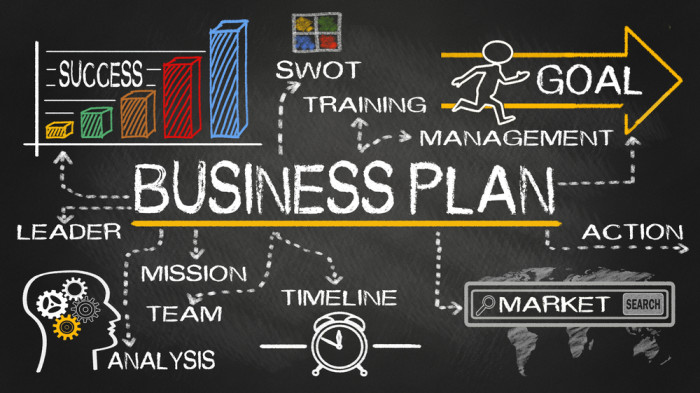
Approaches to Project Clarity
-
Traditional Manual Logging: Relies on physical notebooks or basic digital documents for recording build processes. Offers simplicity for small projects, but quickly becomes unwieldy. Data retrieval and analysis are often cumbersome, hindering quick insights.
-
Integrated Development Environments (IDEs) with Built-in Tools: Utilizes specialized software environments with version control and basic build logging. Provides a cohesive workspace, enhancing collaboration and streamlining coding. Limited in advanced analytics.
-
Dedicated Project Management Platforms: Employs comprehensive software for intricate project oversight, task scheduling, and detailed tracking. Excels in managing large, multi-faceted projects with robust reporting. Requires significant setup.
Key Evaluation Criteria
-
Data Centralization & Accessibility: How effectively project information is consolidated and made available to all stakeholders for a unified understanding.
-
Version Control & Auditability: Ability to track changes and maintain historical records of build modifications. Essential for debugging and compliance.
-
Reporting & Analytics Capabilities: Depth and flexibility of insights from project data. Includes custom dashboards and performance metrics for informed decisions.
-
Integration & Scalability: Ease of integration with existing tools and capacity to grow with project scope. Crucial for long-term adaptability.
Comparative Analysis of Project Management Approaches
Manual logging struggles with data centralization. Information often resides in disparate documents, making a unified view challenging. Accessibility is limited, hindering real-time collaboration. This leads to fragmented knowledge, increasing miscommunication and delays, especially as projects evolve beyond initial scope.
IDEs offer better data centralization within the development environment, especially for code. However, broader project data like requirements or external dependencies might remain scattered. Their built-in version control is strong for code, but less comprehensive for overall project documentation or non-code assets.
Dedicated project management platforms excel in data centralization, providing a single source of truth. They offer robust version control for tasks and artifacts, ensuring comprehensive auditability. A platform like TinkerNote Register consolidates diverse data streams, fostering unparalleled clarity and historical tracking.
Reporting and analytics are virtually non-existent with manual logging. Any insights require painstaking manual aggregation, which is prone to error and time-consuming. Integration with other tools is minimal, relying solely on human effort. Scalability is severely limited; as projects grow, this method quickly becomes unsustainable and a bottleneck.
IDEs provide basic reporting on code quality or build success, but lack advanced analytics for broader project health. While they integrate well with specific development tools, their capacity to connect with diverse enterprise systems is often restricted. Scalability is good for coding tasks but can strain when managing the entire project lifecycle.
Dedicated platforms offer superior reporting and analytics, with customizable dashboards and deep insights into project performance. They are built for extensive integration with various tools and services, creating a cohesive ecosystem. Their inherent scalability allows them to manage projects of any size and complexity, adapting to evolving organizational needs effortlessly.
Strategic Recommendations for Method Selection
For small, isolated projects with minimal team involvement and straightforward requirements, traditional manual logging might suffice due to its simplicity and zero initial cost. Be mindful of its limitations should the project unexpectedly expand or require historical analysis.
When the primary focus is on code development and immediate build processes within a dedicated technical team, leveraging IDEs with their integrated features is a highly efficient choice. They streamline the core engineering workflow, providing developers with familiar tools for version control and basic task management directly within their coding environment.
For complex, multi-stakeholder projects demanding comprehensive oversight, advanced tracking, and robust reporting, a dedicated project management platform is indispensable. TinkerNote Register provides the framework for centralizing project data, ensuring transparency and informed strategic decisions.
Consider future project growth. If increased complexity or detailed audit trails are likely, investing in a scalable, integrated platform from the outset prevents significant operational hurdles. Proactive implementation, like that offered by TinkerNote Register, ensures long-term efficiency and sustained project clarity.
Related posts


Comments